
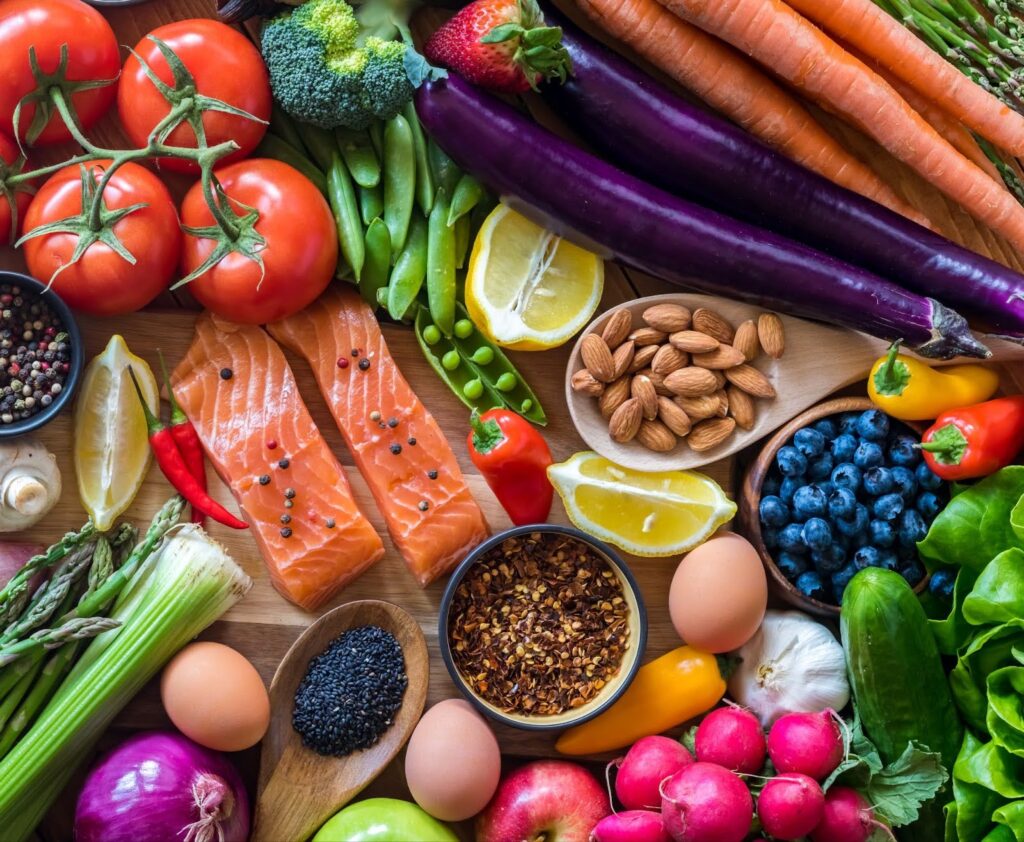
Achieving optimal health starts with your endocrine system. When your hormone levels are in sync, you feel energized, clear-headed, and vibrant. However, modern lifestyles often disrupt this delicate chemistry. Fortunately, the food on your plate is one of the most powerful tools for maintaining hormonal balance. By choosing nutrient-dense whole foods, you can support hormone production and metabolism effectively. This article explores how specific dietary choices can stabilize your body, improve your energy levels, and help you regain control over your well-being.
What is a Hormonal Imbalance?
A hormonal imbalance occurs when there is too much or too little of a specific hormone in the bloodstream. Because hormones are potent chemical messengers, even small fluctuations can cause significant systemic effects. These imbalances often stem from issues with hormone metabolism, chronic stress, or poor nutrition, affecting everything from your metabolic rate to your mood and reproductive health.
Signs of a Hormone Imbalance
- Irregular Menstrual Cycles: Fluctuations in sex hormones often lead to unpredictable menstrual cycles. This can manifest as heavy bleeding, skipped periods, or intense PMS, signaling that your estrogen metabolism or progesterone levels are off.
- Persistent Fatigue: If your energy levels remain low despite resting, your adrenal glands or thyroid gland may be struggling. Imbalances in thyroid hormones or cortisol can leave you feeling constantly drained and sluggish.
- Unexplained Weight Gain: Difficulty losing weight often points toward insulin resistance. When insulin sensitivity decreases, your body stores fat more easily, particularly around the abdomen, making blood sugar management a vital health priority.
- Mood Swings and Anxiety: Hormones dictate brain chemistry. Shifts in stress hormones like cortisol or imbalances in the gut microbiome can trigger sudden anxiety, irritability, or depression, disrupting your emotional stability and daily life.
- Skin and Hair Changes: Thinning hair or adult acne are common indicators of hormonal imbalances. High androgen levels or poor thyroid function often manifest physically through brittle nails, hair loss, or persistent hormonal breakouts.
Experience true vitality by addressing your unique hormonal symptoms with Lindsay Venn’s guidance
Talk to a Hormone Expert Today
The Best Foods that Help Balance Hormones
Healthy Fats
Healthy fats are the building blocks of hormone production. Your body requires cholesterol and fatty acids to synthesize sex hormones like estrogen and testosterone. Incorporating monounsaturated fats and omega-3s supports the integrity of cell membranes, allowing hormones to communicate effectively throughout your entire body while reducing systemic inflammation.
- Avocados: Packed with monounsaturated fats and fiber, avocados help stabilize blood sugar and support the production of life-essential steroid hormones.
- Extra Virgin Olive Oil: A staple for hormonal balance, it improves insulin sensitivity and provides antioxidants that protect your endocrine system from oxidative stress.
- Wild-Salmon: Rich in omega-3 fatty acids, salmon reduces inflammation and supports healthy hormone metabolism, particularly for regulating the menstrual cycle effectively.
Cruciferous Vegetables
Cruciferous vegetables are essential for detoxification. They contain indole-3-carbinol, a compound that aids the liver in processing excess estrogen. By supporting efficient estrogen metabolism, these vegetables help prevent “estrogen dominance,” a common hormone imbalance associated with polycystic ovary syndrome (PCOS) and painful periods.
- Broccoli: High in fiber and sulforaphane, broccoli supports the liver’s ability to detoxify harmful metabolites and maintain healthy hormone levels.
- Brussels Sprouts: These provide the sulfur-rich compounds necessary for Phase II liver detoxification, ensuring that old hormones are excreted rather than recirculated.
- Cauliflower: A versatile vegetable that supports gut health and provides the nutrients required to balance peptide hormones involved in appetite regulation.
Seeds and Nuts
Seeds and nuts are nutritional powerhouses for the endocrine system. They provide essential minerals like selenium and magnesium, which are critical for thyroid function. Furthermore, the lignans found in certain seeds can help modulate estrogen levels, making them a “must-have” for anyone tracking their menstrual cycles.
- Brazil Nuts: These are the best source of selenium, a mineral vital for the thyroid gland to convert thyroid hormones effectively.
- Flaxseeds: Rich in lignans, flaxseeds help balance estrogen levels and provide the fiber necessary for a healthy, flourishing gut microbiome.
- Pumpkin Seeds: High in zinc, these seeds support reproductive health and the production of follicle-stimulating hormone, which is crucial for ovulation.
High-Fiber Foods
High-fiber foods act as a vacuum for the digestive tract. They ensure that excess hormones are bound and eliminated through waste. Moreover, fiber is essential for feeding beneficial bacteria in the gut, which plays a massive role in regulating stress hormones and maintaining a steady sleep cycle.
- Quinoa: A complex carbohydrate that stabilizes blood sugar while providing B Vitamins and magnesium to support consistent energy levels.
- Lentils: These provide a steady release of glucose, preventing the insulin spikes that can disrupt hormone levels and trigger inflammation.
- Chia Seeds: These absorb water to aid digestion and are packed with fiber to support gut health and hormone clearance.
Master your nutrition and fuel your hormones with Lindsay Venn’s expert dietary coaching
(CTA: Start Creating a Healthy Diet Plan Today)
Why is Hormone Balance Important?
Maintaining hormonal balance is the foundation of long-term vitality. When your hormones are regulated, every system—from your digestion to your brain—functions with efficiency. It prevents chronic disease, stabilizes your mood, and ensures your body can recover from daily stressors.
The Benefits of a Balanced Hormonal System Include:
Disease Prevention
Balanced hormones reduce the risk of autoimmune conditions, such as the autoimmune disorder Hashimoto’s disease. Proper regulation prevents the chronic inflammation that often triggers these complex health issues.
Optimal Metabolism
When insulin sensitivity is high and thyroid function is optimal, your body maintains a healthy weight. This prevents insulin resistance and ensures your cells utilize energy from food efficiently.
Improved Mental Clarity
Stable hormone levels prevent the “brain fog” often associated with the menstrual cycle or menopause. You’ll experience better focus, a more stable sleep cycle, and overall improved cognitive performance.
Invest in your future self by balancing your hormones with Lindsay Venn’s expertise
Why Work With Lindsay Venn to Balance Hormones?
Lindsay Venn is a specialist dedicated to helping individuals navigate the complexities of their metabolic health and endocrine system. By combining nutritional science with lifestyle adjustments, Lindsay provides a holistic roadmap to sustainable hormonal balance.
- Personalized Protocols: Lindsay understands that every hormone imbalance is unique. She creates tailored plans that address your specific needs.
- Evidence-Based Guidance: With deep hormonal knowledge, Lindsay uses science-backed strategies to optimize your thyroid gland and adrenal health through targeted, nutrient-dense dietary changes.
- Holistic Lifestyle Integration: Beyond food, Lindsay helps you master your sleep cycle and manage stress hormones. Her comprehensive approach ensures that your physical activity and recovery support your long-term hormonal health.